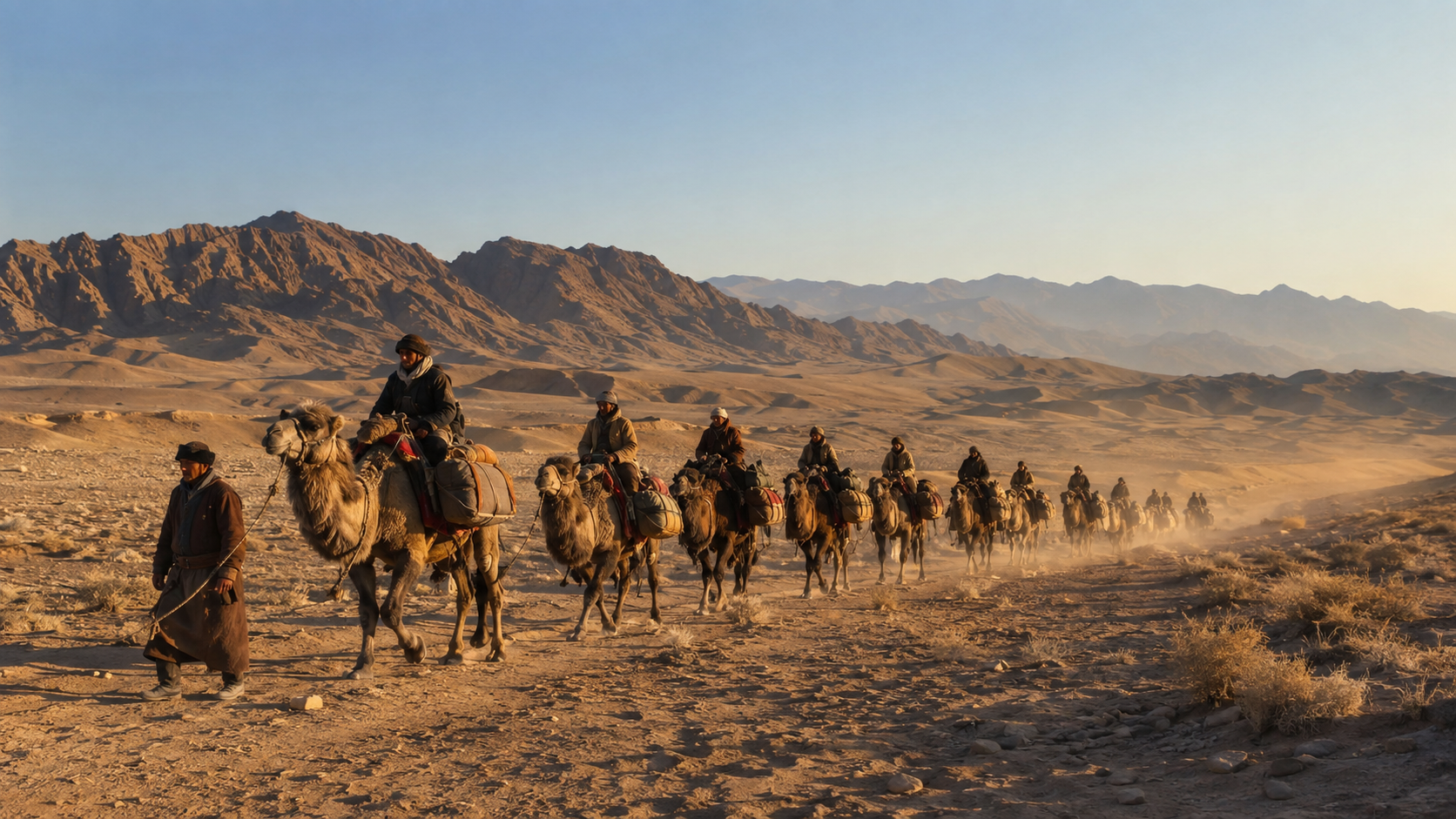
For centuries, the Silk Road linked distant parts of Asia through a constantly changing network of trade routes. It is often imagined as a single road stretching from China toward Europe, with caravans carrying rolls of silk across the desert. In reality, it was a much more complicated world of merchants, pilgrims, soldiers, scholars and migrants moving between cities and kingdoms.
There was never just one Silk Road. The network included routes through Central Asia, mountain passes across the Hindu Kush, desert tracks around the Taklamakan and connections reaching into South Asia and the Middle East. Some routes disappeared while others became important again, depending on political power, security and the fortunes of particular cities.
Silk gave the network its modern name, and Chinese silk was among the most valuable products traded across Eurasia. Yet merchants carried much more than silk as they moved between markets. Spices, horses, precious stones, metals, glassware, carpets, medicines and textiles all traveled through the same interconnected world.
The most important exchanges were not always things that could be placed inside a merchant’s luggage. Travelers carried languages, religious beliefs, artistic traditions and practical knowledge from one community to another. A conversation in a crowded marketplace could sometimes begin a chain of cultural exchange that continued for generations.
Religion became deeply connected with these movements. Buddhist monks and pilgrims traveled from South Asia through Central Asia toward China, establishing monasteries and religious communities along the way. Later, Muslim merchants and scholars helped strengthen Islamic culture across Central Asia, while other religious traditions also found followers in the trading cities of the region.
Central Asian cities became especially important because they stood between several major worlds. Samarkand, Bukhara and other urban centers attracted merchants from China, Persia, India and the Mediterranean. Walk through these cities at their height and you would have encountered a mixture of languages, clothing, beliefs and commercial traditions that would have been difficult to find anywhere else.
The exchange of knowledge was equally significant. Astronomy, mathematics, medicine and geography traveled between societies through translations, education and personal contact. Ideas were rarely passed along unchanged, because scholars often adapted foreign knowledge to fit their own intellectual traditions.
Papermaking offers a useful example of this process. The technology originated in China and gradually moved westward through Central Asia and the Islamic world. As it traveled, local communities developed their own methods of producing and using paper, eventually helping transform the spread of written knowledge across a much wider region.
Life along the Silk Road was far from easy. Long-distance travelers had to cross deserts, survive freezing mountain passes and protect their goods from thieves. Caravans often depended on established stopping places where travelers could find water, food, shelter and fresh animals before continuing their journeys.

Political stability could make an enormous difference. Strong rulers who protected roads and maintained order could encourage merchants to travel farther and more frequently. Periods of war, on the other hand, could redirect trade toward safer routes and leave once-prosperous towns struggling to survive.
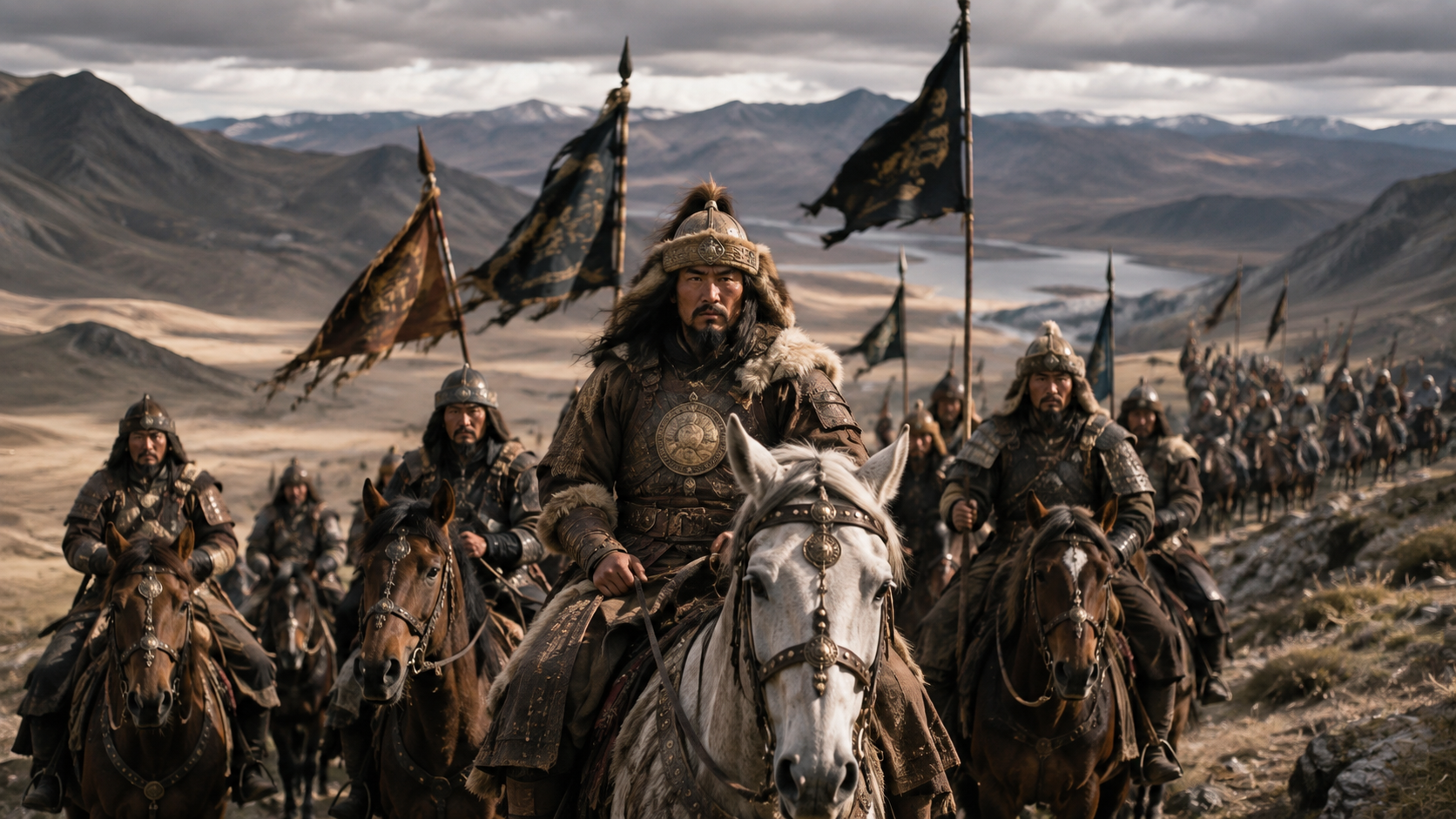
The Mongol expansion of the 13th century created one of the most extraordinary periods of movement across Eurasia. Vast territories came under Mongol rule, reducing some of the political barriers that had previously separated distant regions. Merchants, diplomats, missionaries and travelers were able to cross parts of the continent on a scale that connected communities more closely than before.
The same connections also carried serious risks. Diseases could travel along commercial networks as easily as luxury goods, particularly when large numbers of people moved between regions. The Black Death, which spread across Eurasia during the 14th century, demonstrated the devastating consequences of a world in which distant populations had become increasingly connected.
The people supporting this network were not limited to wealthy merchants. Caravan guides, translators, craftsmen, farmers, porters and innkeepers all played important roles in keeping trade moving. Their work rarely appears in grand accounts of empires, yet without them the great cities along the routes could not have functioned.
The Silk Road also changed local societies in ways that could take generations to become visible. Foreign goods entered households, new religious communities appeared and families with roots in different regions settled far from their places of origin. In some cities, cultural mixing became an ordinary part of daily life rather than something unusual.
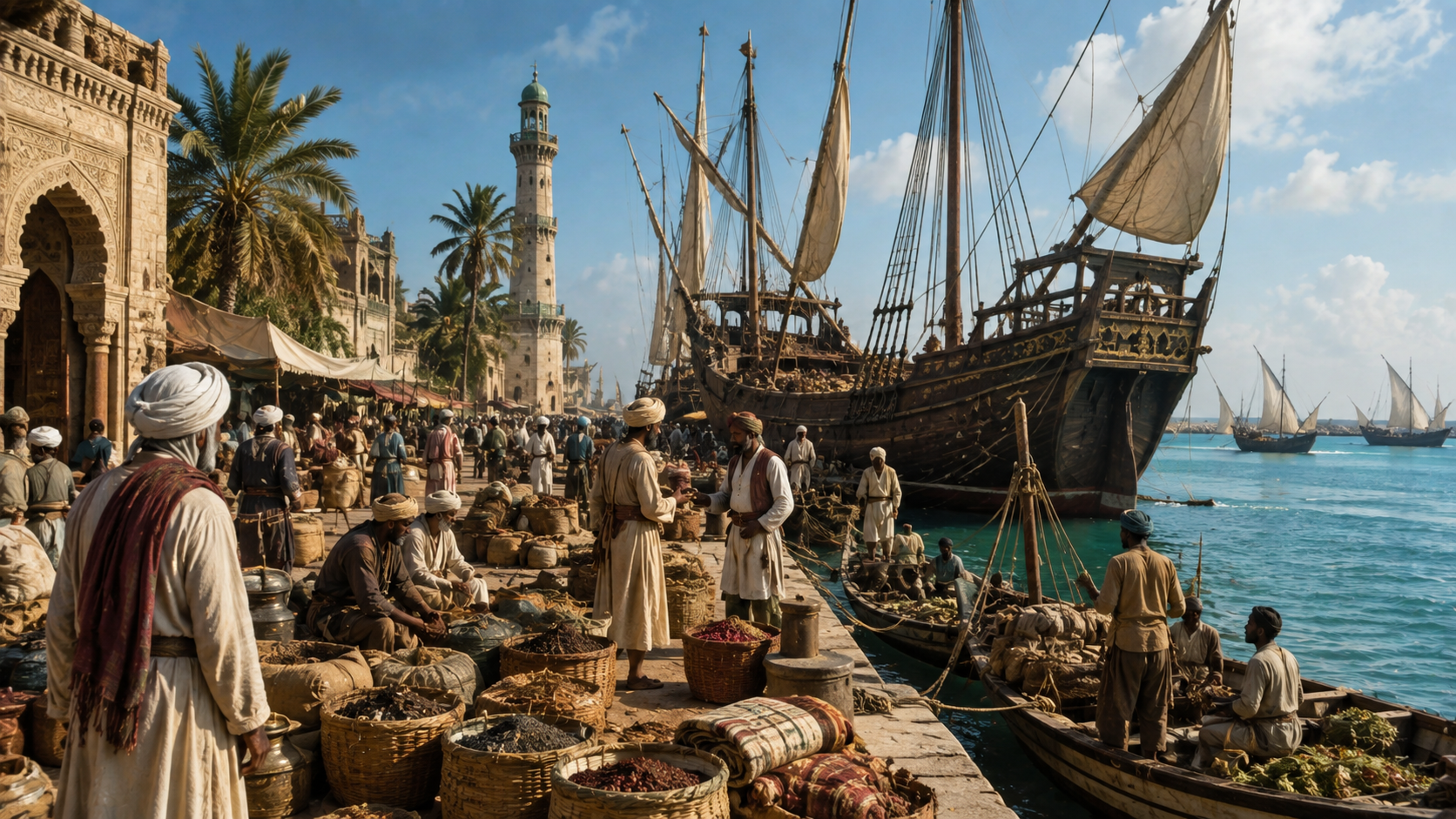
Eventually, political changes and new commercial patterns weakened the importance of some traditional overland routes. Maritime trade across the Indian Ocean offered increasingly important alternatives, connecting ports in South Asia, Southeast Asia, China and the Middle East. Yet the networks created by centuries of movement did not simply disappear when particular routes declined.
The history of the Silk Road is therefore less about a road than about connection itself. Across deserts, mountains and crowded marketplaces, people created relationships that reached far beyond the borders of their own kingdoms. The traces of those encounters remain visible in the languages, religions, architecture and cultures that still shape Asia today.