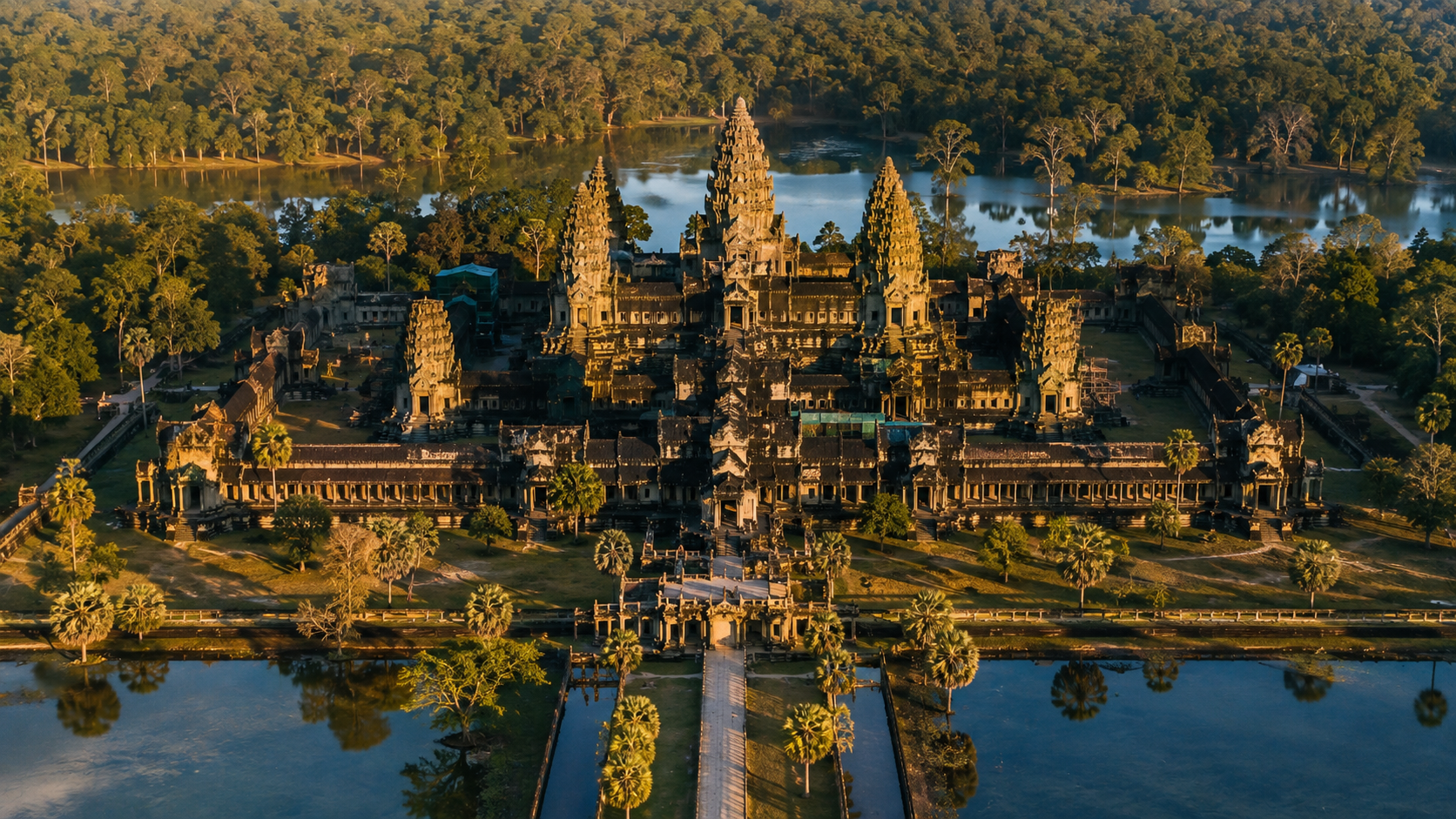
For centuries, Angkor stood at the center of one of Southeast Asia’s greatest civilizations. Its temples, reservoirs and enormous urban landscape reflected the power of the Khmer Empire, which controlled much of mainland Southeast Asia at its height. Then, over time, the city lost its position as the political heart of the region.
Angkor was far more than a collection of magnificent temples. It was the center of a large political and economic system supported by agriculture, water management and an extensive network of roads. From this urban center, Khmer rulers projected their influence across territories that now form parts of Cambodia, Thailand, Laos and Vietnam.
The scale of Angkor depended heavily on water. The region experienced alternating wet and dry seasons, so controlling rainfall and storing water became essential for sustaining large populations. Massive reservoirs, canals and embankments allowed farmers to produce enough rice to support the city and its political institutions.
That water system also required constant maintenance. Canals had to remain functional, reservoirs needed management and irrigation networks had to respond to changing environmental conditions. When the system worked well, Angkor could support a remarkably large population and generate the agricultural surplus needed to maintain its power.


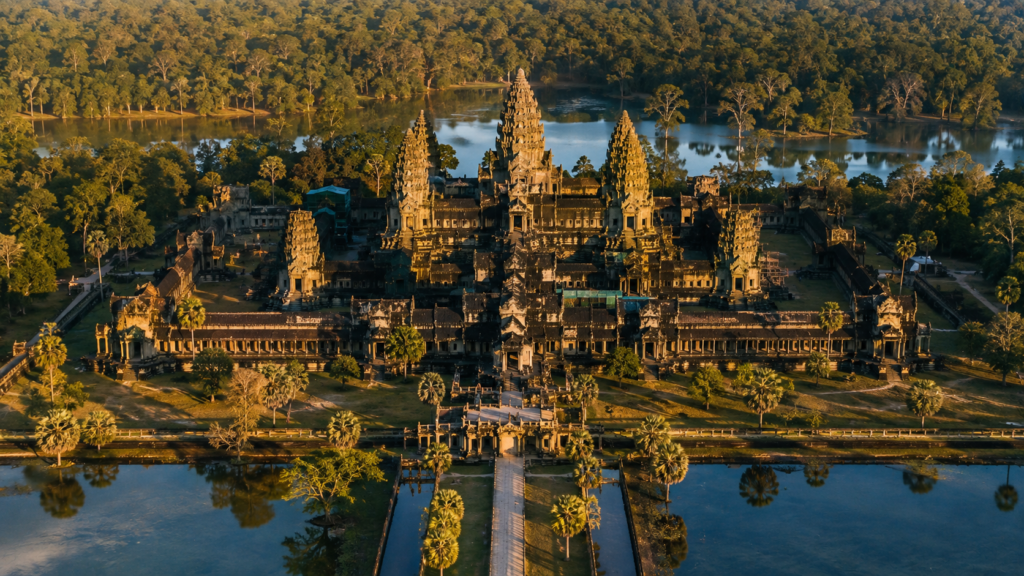
Religion was deeply connected to the city’s political identity. Khmer rulers built enormous temples dedicated to Hindu gods and later to Buddhist traditions, turning architecture into a visible expression of royal authority. Angkor Wat became the most famous example, but it was only one part of a much larger religious and urban landscape.
The city grew through the efforts of successive rulers who expanded temples, roads and water infrastructure. Each generation left its mark, sometimes replacing earlier religious traditions with new ones. The result was an enormous landscape in which political ambition, religious belief and practical engineering existed side by side.
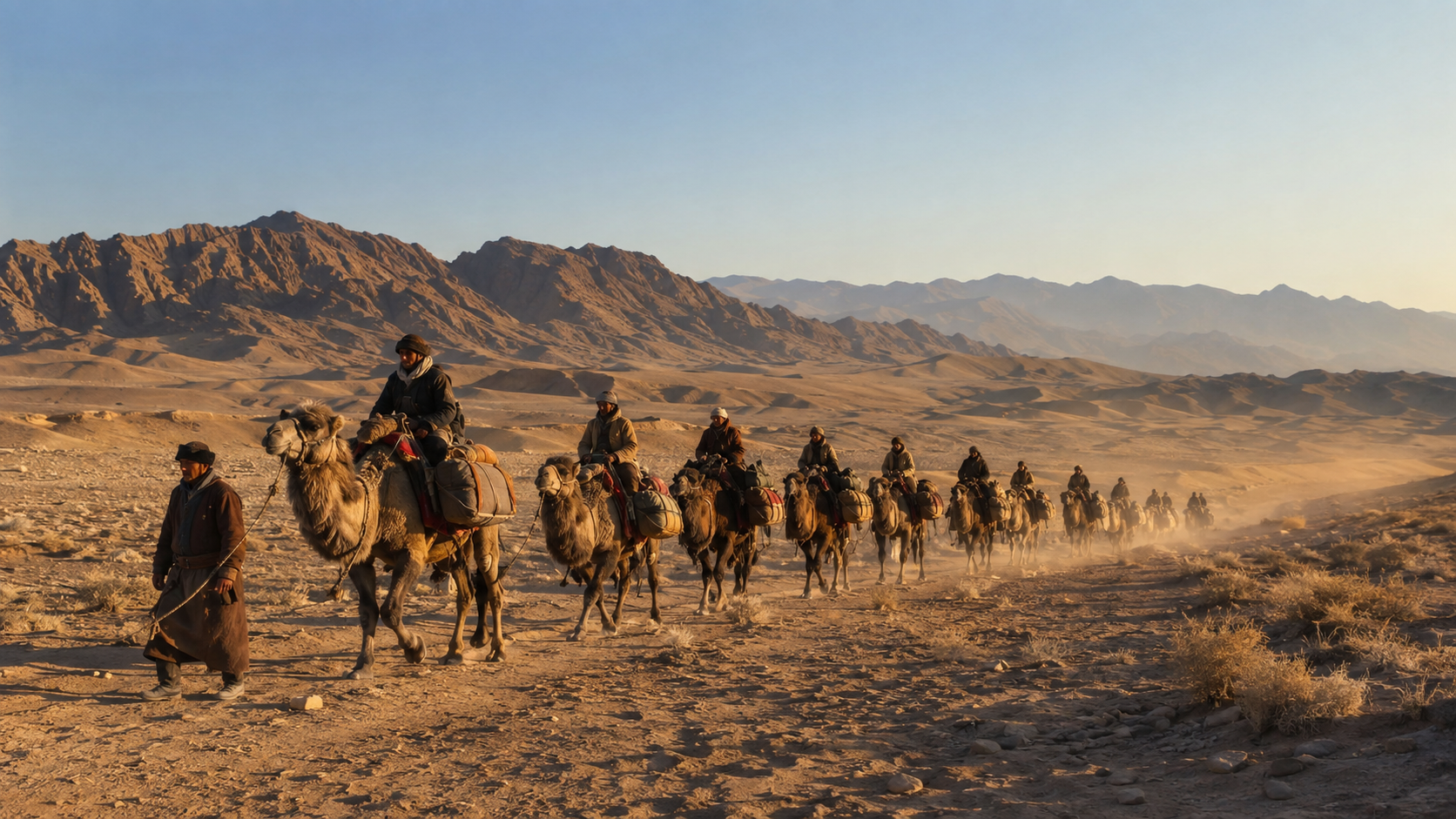
Yet Angkor was not isolated from the wider politics of Southeast Asia. Rival kingdoms were growing around the Khmer Empire, particularly in the regions to the west and east. Military pressure, changing alliances and competition for important trade routes gradually made the political environment more difficult for Khmer rulers.
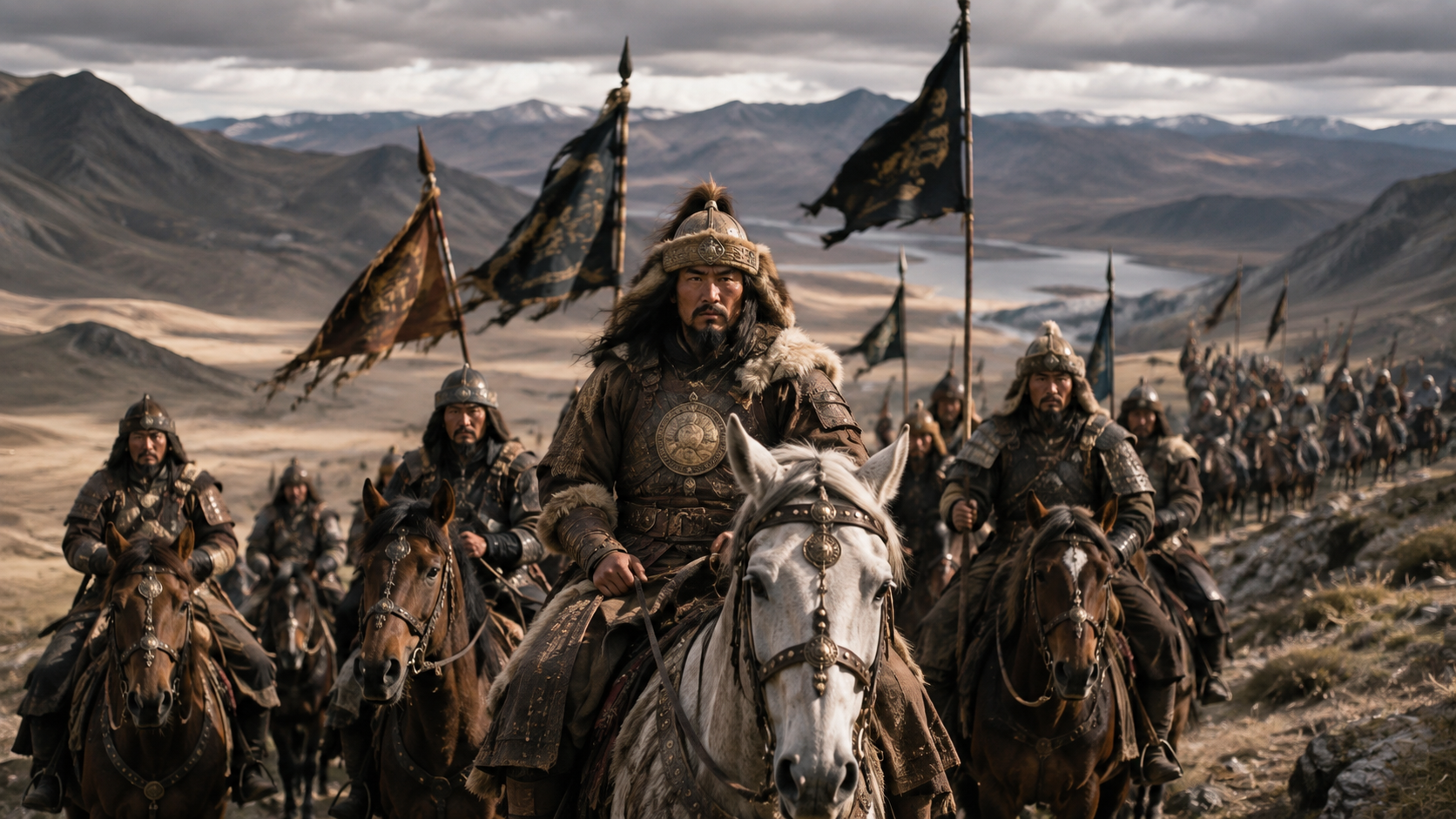
The rise of the Thai kingdoms became especially important. States such as Ayutthaya emerged as powerful rivals and challenged Khmer influence across mainland Southeast Asia. Warfare between competing kingdoms could damage cities, disrupt agricultural production and force rulers to redirect resources toward military defense.
Climate may also have played a significant role in Angkor’s changing fortunes. Evidence from tree rings and other environmental studies suggests that the region experienced periods of severe drought interrupted by intense rainfall. Such extreme conditions could place enormous pressure on a water-management system designed to handle more predictable seasonal patterns.
The problem was not necessarily that Angkor suddenly ran out of water. A more complicated process was likely taking place, with repeated environmental stress affecting infrastructure that had become increasingly difficult to maintain. Heavy rainfall could damage canals and embankments, while prolonged drought could reduce the water available for agriculture.
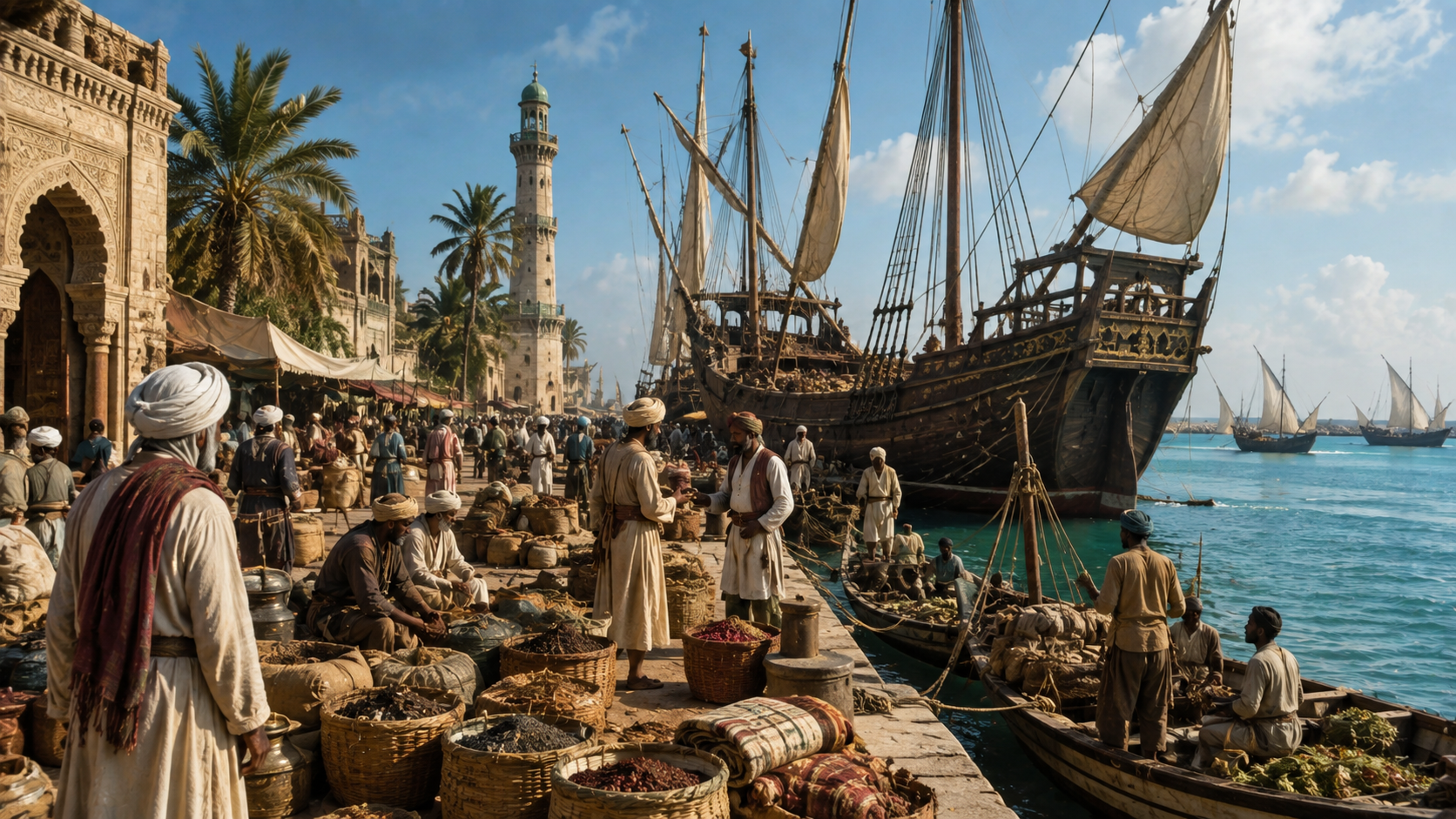
Political and economic changes added another layer to the pressure. Maritime trade was becoming increasingly important across Southeast Asia, and coastal centers offered advantages that an inland capital could not easily match. Khmer rulers increasingly focused on other parts of their kingdom, particularly areas closer to major waterways and commercial routes.
By the 15th century, Angkor had lost much of its former political importance. The city was not simply abandoned overnight, and people did not suddenly disappear from the region. Religious activity continued, communities remained in parts of the wider landscape and the temples continued to hold meaning long after the royal court had moved elsewhere.
The shift away from Angkor changed the political geography of Cambodia. Phnom Penh eventually emerged as a more important center because of its position near the Mekong and Tonlé Sap river systems. The movement toward a more commercially connected capital reflected a wider transformation taking place across Southeast Asia.
European travelers later encountered Angkor and helped introduce its monumental temples to audiences far beyond the region. Their accounts sometimes portrayed the ruins as a mysterious lost civilization, even though Khmer communities had never completely forgotten the site. The idea of Angkor as a vanished city owes as much to later European fascination as it does to the actual history of the Khmer people.
Today, the remains of Angkor reveal a civilization that was far more sophisticated than the image of a jungle-covered ruin might suggest. Roads connected different parts of the urban landscape, reservoirs shaped agricultural life and temples expressed the changing beliefs of generations of rulers. The stones left behind are only part of the story, because the larger city once depended on thousands of people maintaining a complex system that is now difficult to see beneath the landscape.