Walk into an Indonesian kitchen during lunchtime, and there is a good chance the first thing you notice is not the rice or the meat. It is the aroma of spices filling the air, rising from a pot where garlic, shallots, chilies, ginger, turmeric, and other ingredients are slowly coming together. In Indonesian cooking, spices are not simply added to food for extra flavor; they often become the soul of the entire dish.
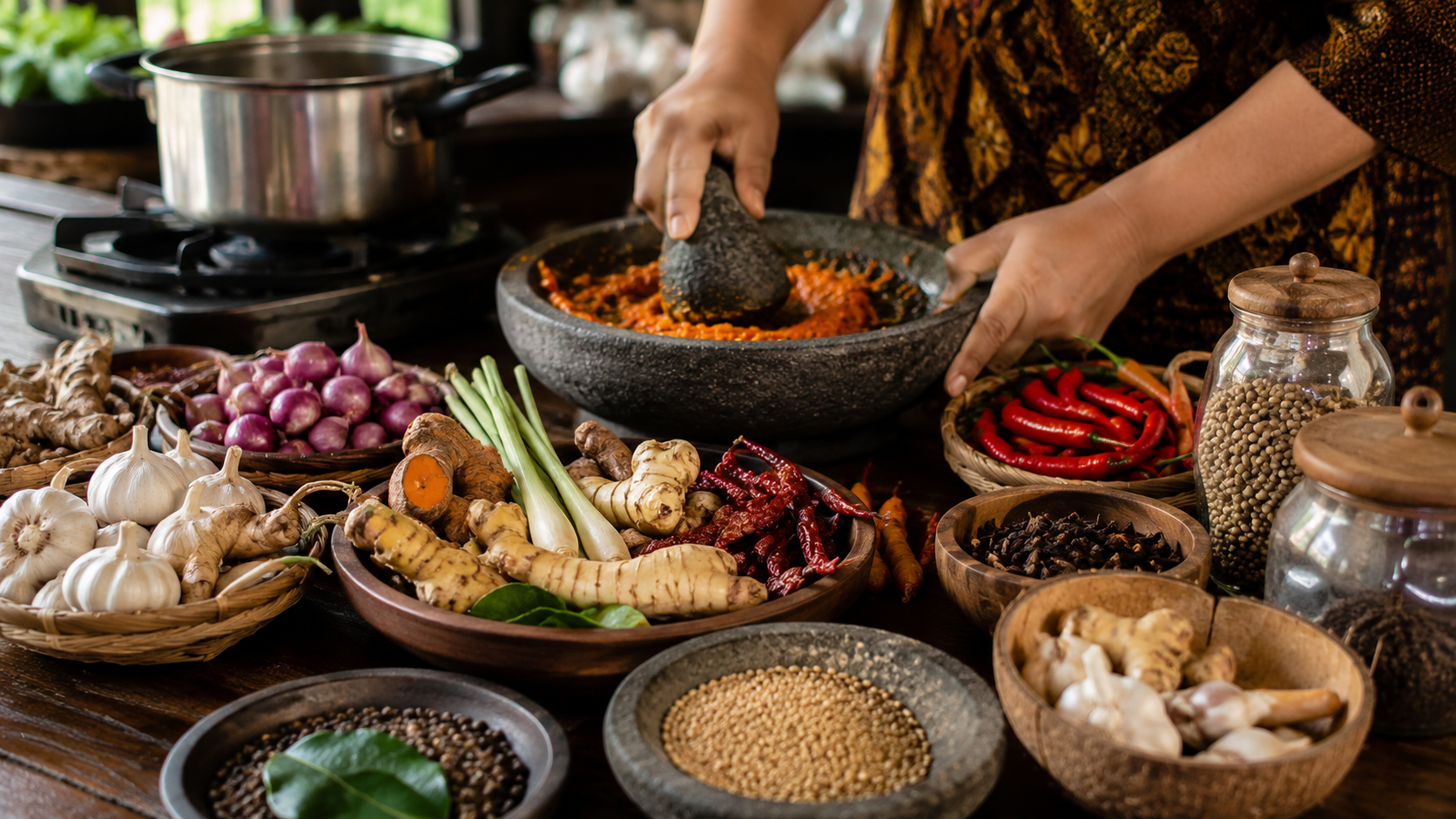
That intensity begins with the spice paste, or bumbu, that forms the foundation of countless Indonesian recipes. Fresh ingredients are traditionally crushed or ground together before being cooked, allowing their aromas and flavors to blend into something much deeper. The process may take time, but that slow preparation is exactly what gives many Indonesian dishes their unmistakable character.
One of the most familiar combinations starts with shallots, garlic, chilies, and candlenuts, although the exact ingredients can change dramatically from one region to another. Turmeric can bring a warm golden color, while galangal, lemongrass, ginger, and coriander add layers of fragrance that are difficult to replicate with a simple seasoning mix. The result is a kind of flavor architecture where every ingredient has a role.
That regional variety is what makes Indonesian cuisine especially fascinating. The country stretches across thousands of islands, and each area has developed its own relationship with spices, local ingredients, and cooking traditions. A dish from Sumatra can taste completely different from one prepared in Java, even when both rely on many of the same basic ingredients.
In West Sumatra, for example, spices are often used to create rich and intensely aromatic dishes such as rendang. Beef is slowly cooked with coconut milk and a complex mixture of spices until the liquid is reduced and the meat becomes deeply flavored. The long cooking process transforms what starts as a handful of ingredients into a dish with layers of heat, sweetness, richness, and fragrance.
Java takes a different approach, often balancing strong spices with sweeter flavors. Palm sugar, coconut milk, tamarind, and aromatic herbs can soften the heat and create dishes with a more rounded taste. This balance is one reason Javanese food can feel comforting and familiar while still delivering plenty of complexity.
Then there is sambal, the fiery sidekick that can completely change the experience of a meal. Made primarily from chilies and often combined with shallots, garlic, tomatoes, shrimp paste, lime, or other ingredients, sambal comes in countless regional forms. For many Indonesians, a meal without some kind of sambal can feel like something is missing.
The cooking techniques are just as important as the ingredients themselves. Some spice pastes are fried slowly until the raw aroma disappears and the oil begins to carry their fragrance, while others are cooked directly with meat, fish, vegetables, or coconut milk. Time becomes another ingredient, allowing flavors that initially seem separate to merge into one rich and aromatic base.
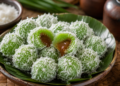

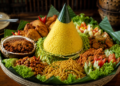
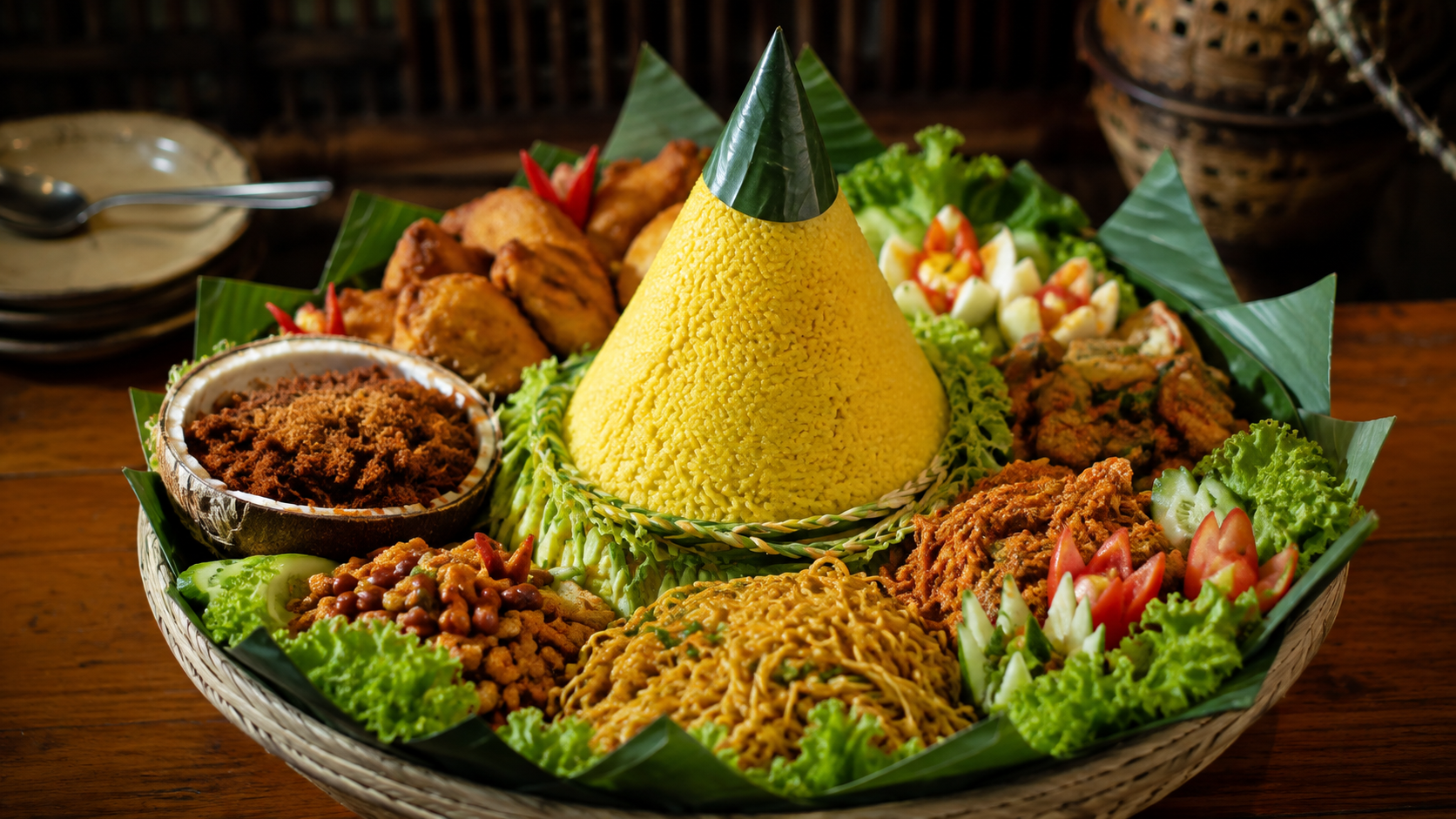
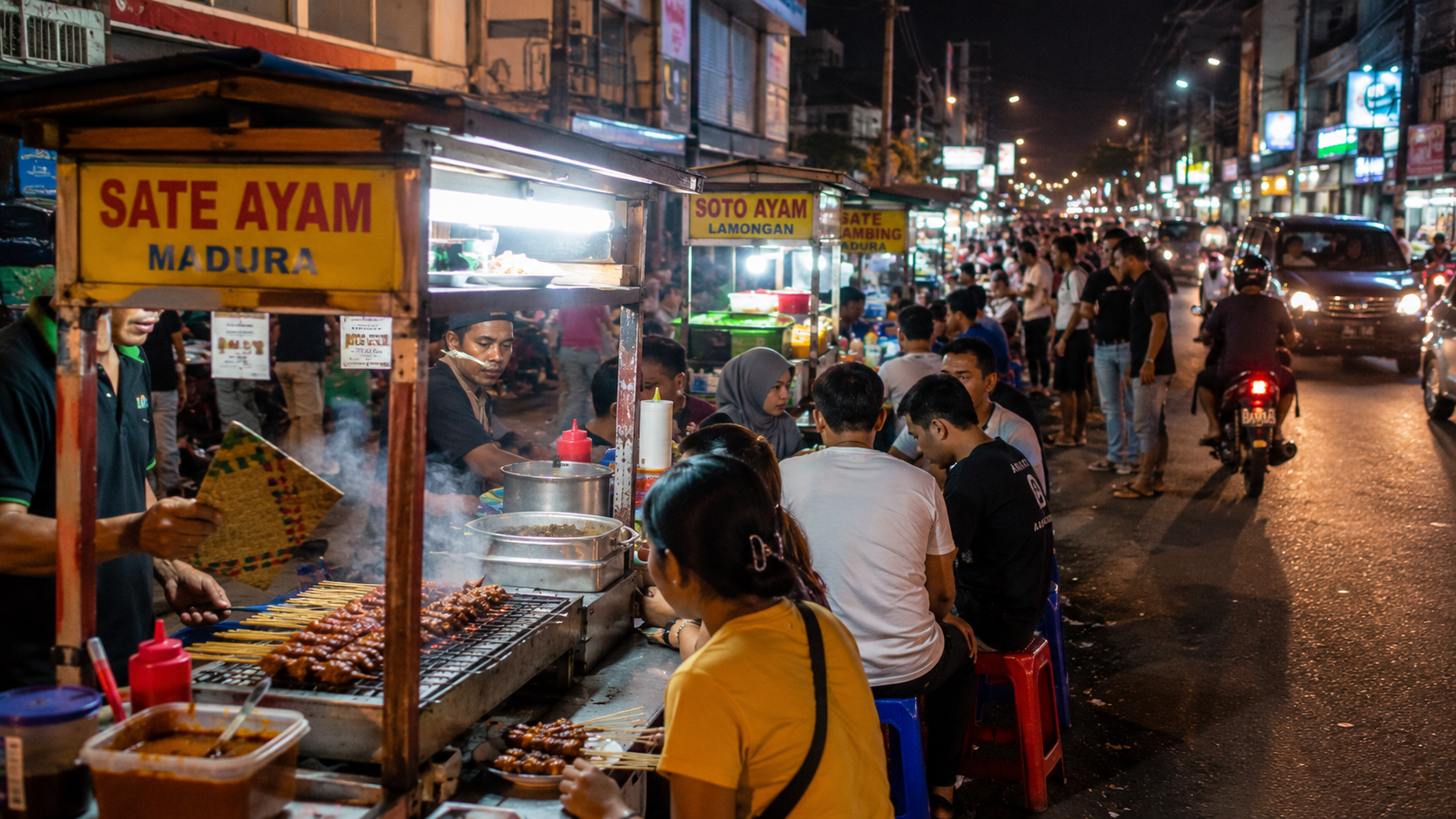
Indonesian kitchens also reveal how closely food is connected to everyday life. Spices are used for family meals, religious celebrations, weddings, community gatherings, and street food sold from small roadside stalls. The same ingredients found in a home kitchen can appear in dishes served at a busy food market, creating a culinary connection between ordinary meals and major celebrations.
Modern Indonesian chefs are now taking these traditional flavors into new settings without completely abandoning their roots. Classic spice combinations are appearing in contemporary restaurants, cafés, and creative interpretations of traditional dishes. Even when the presentation becomes more modern, the distinctive aroma of Indonesian bumbu can still be the element that tells you exactly where the food comes from.
That is what makes an Indonesian kitchen so captivating: the most important part of the meal may begin long before anything reaches the plate. It starts with spices being chopped, crushed, fried, and blended until the kitchen itself becomes filled with their fragrance. By the time the food is finally served, the spices have already told the first part of the story.